The 5 Days of Diwali
Day 1: Dhanteras - 6th November
'Dhan' means wealth and 'teras' is the 13th day of Krishna Paksha. Dhanteras is considered auspicious for buying gold and silver jewelry, as it symbolizes the welcoming of Goddess Lakshmi, goddess of wealth and good fortune. Check this blog post for more in depth info about Dhanteras - Prosperity Rituals and Timings.
Day 2: Naraka Chaturdashi or Chhoti Diwali - 7th/8th November
Narak Chaturdashi or Chhoti Diwali marks the triumph over the demon Narakasura, celebrated differently across regions: some attribute his defeat to Goddess Kali, while others to Lord Krishna. It symbolizes the victory of good over evil. Generally people spend time at home and exchange sweets with friends or family.
Day 3: Diwali (Lakshmi Puja) - 8th November
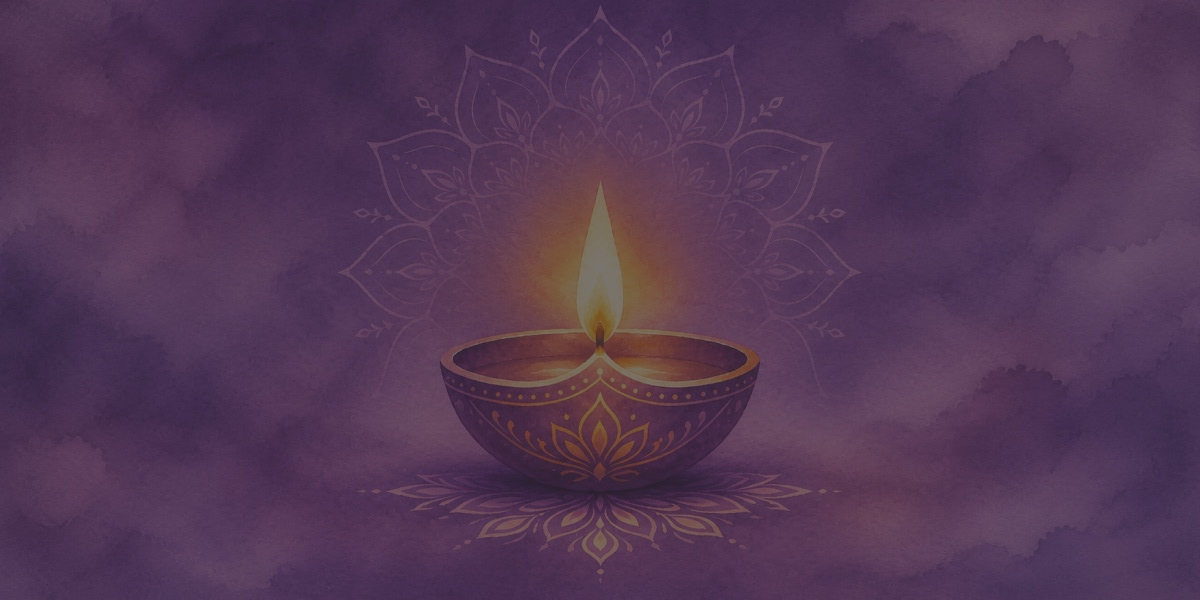
This is the Amavasya (no moon) day and the main and most auspicious day of Diwali. A special puja ritual takes place for Goddess Lakshmi, to seek her blessings for wealth and prosperity. This day commemorates Lord Ram's return to Ayodhya after defeating the demon king Ravan, continuing a tradition of centuries. Celebrations involve lighting earthen lamps (diyas), setting off firecrackers, and creating colorful rangoli designs at house entrances.
Day 4: Govardhan Puja - 9th/10th November
The day commemorates when Lord Krishna lifted Govardhan Hill to protect the villagers of Mathura, Uttar Pradesh, from Indra's fury. Rituals include preparing a food mound representing Mount Govardhan, symbolizing abundance. In rural areas, cows are also honored for their vital role in agriculture.
Day 5: Bhai Dooj - 10th/11th October
The last day of Diwali celebrates the bond between siblings. Traditionally, brothers visit their sisters on this day, and their sisters honor them, put 'tilak' on their forehead and pray for their good health and long life.
|










































No Comments
Leave a comment Cancel